
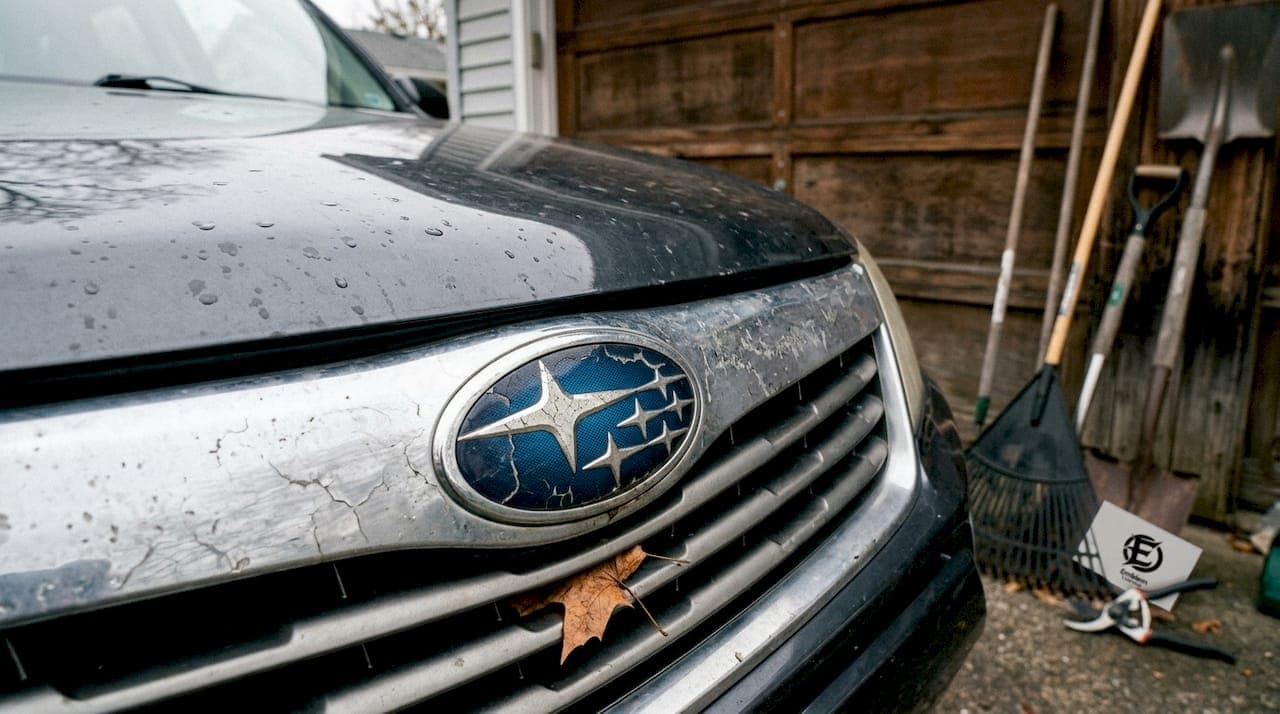
TL;DR:
- Fading, cracking, or lifting overlays indicate UV damage and material deterioration, requiring timely replacement. Regular visual and tactile checks help owners prevent aesthetic decline and preserve underlying emblems. Choosing between overlays and full replacements depends on overlay condition, damage extent, and long-term maintenance preferences.
Your Subaru's star cluster badge or Ford's oval emblem is one of the first things people notice. When you've added a vinyl overlay to make it pop, the last thing you want is for that upgrade to start looking worse than the factory finish underneath. The tricky part is knowing exactly when a fading, lifting, or cracking overlay has crossed the line from "needs attention" to "needs replacing." This guide walks you through every sign to watch for, what causes each failure, and how to make the smartest decision for your vehicle.
Table of Contents
- How to spot wear in your emblem overlays
- Common overlay failures and what they mean
- Overlay life expectancy: When age matters
- Overlay vs. emblem replacement: When to upgrade
- Deciding: Replace now or wait?
- Our perspective: Why knowing the signs saves you stress and money
- Ready to replace your overlay? Find the perfect fit
- Frequently asked questions
Key Takeaways
| Point | Details |
|---|---|
| Obvious signs for replacement | Fading, cracks, or chunking mean your overlays need to be swapped out immediately. |
| Early fixes can help | Minor edge lifting can sometimes be repaired before full replacement is necessary. |
| Typical overlay lifespan | Most overlays last about 5-8 years if you maintain them well. |
| Choose overlays vs replacements | Overlays are easier and reversible, while replacements look new but need more effort. |
| Act before the damage spreads | Replacing overlays early protects your emblems and keeps your vehicle looking sharp. |
How to spot wear in your emblem overlays
With the challenge set, let's break down the exact visual and tactile symptoms vehicle owners should look for. Catching problems early is the single most effective way to protect both the overlay and the factory emblem beneath it.
Visual warning signs to check regularly:
- Faded or dull colors that no longer match the vibrancy you remember from install day
- Yellowing, especially on white or clear finishes exposed to sun year-round
- Surface micro-cracks that look like a dried riverbed pattern
- Cloudiness or haziness across any part of the overlay
- Color bleed or spotting near the edges
Discoloration, fading, or cracking of a vinyl overlay indicates UV exposure and material brittleness, which directly signals that the overlay's useful life is winding down. This isn't cosmetic vanity, it's chemistry. UV rays break down the plasticizers in vinyl over time, making the material rigid and eventually prone to splitting.
Tactile checks that many owners skip:
Run your fingernail lightly across the overlay surface. A healthy overlay should feel smooth and slightly flexible. If you notice roughness, a sandpaper texture, or any raised sections, those are red flags. Pay special attention to the edges. Lift a corner gently with your fingernail. If it separates too easily or feels papery thin, the adhesive layer is failing.
"Think of the overlay as a second skin on your emblem. The moment it starts peeling away from the edges, the whole surface becomes vulnerable to moisture, road grime, and eventually rust underneath." This is the mental model we use when evaluating overlay health at any mileage.
Heat exposure adds another dimension. After a hot summer day, inspect the overlay for bubbling or warping. Small bubbles trapped between the vinyl and emblem surface can grow over time and eventually cause full section lift. Check for these after the vehicle has been parked in direct sunlight for several hours. For year-round guidance, the all-weather overlay advice on our blog covers climate-specific care for both Subaru and Ford owners.
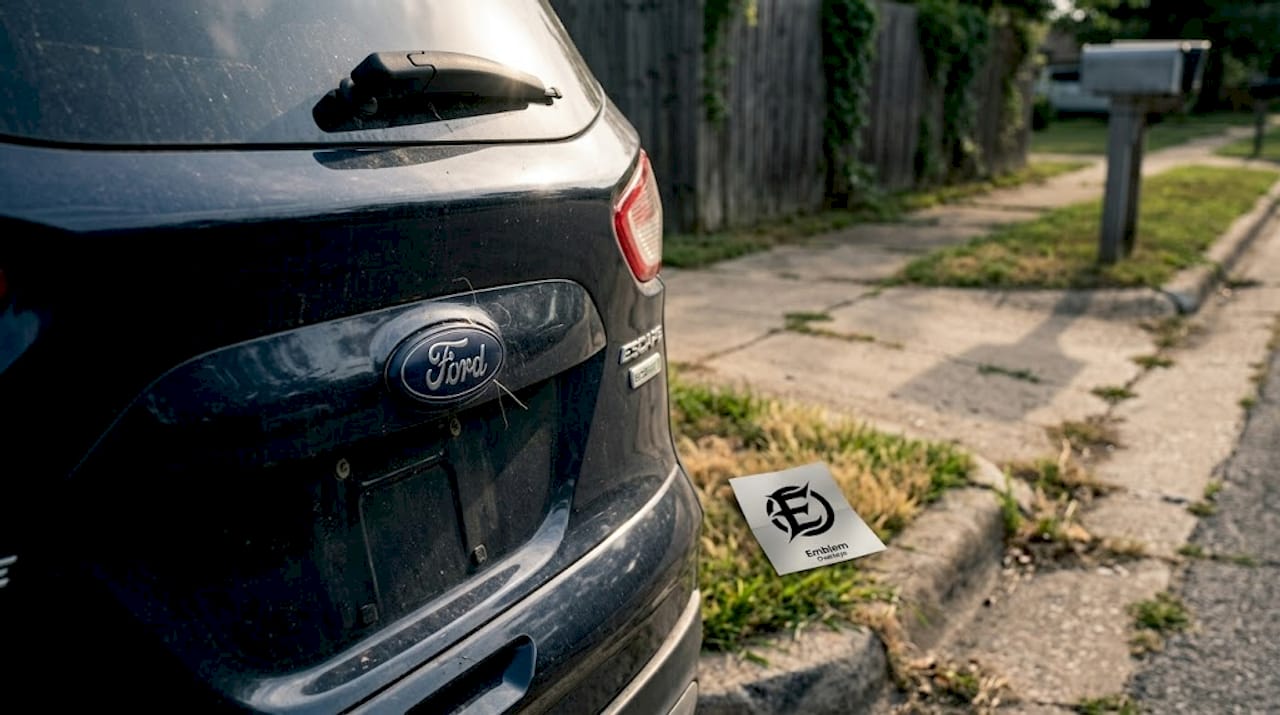
Pro Tip: Set a reminder every six months to do a quick visual and tactile check. Catching edge lift or surface cracks early can save you from a full emblem replacement later.
Most quality vinyl overlays last 5 to 8 years with proper washing and garage storage, but that range assumes reasonable care. Overlays on vehicles that live outside year-round, in high-UV states like Arizona or Florida, or that go through automatic car washes frequently, may show signs of wear in as little as 3 years. Good overlay maintenance tips can extend that range considerably.
Common overlay failures and what they mean
Now that you know what wear looks and feels like, let's dissect the most common overlay failures and what they mean for your Subaru or Ford emblems. Each failure type tells a slightly different story, and understanding the cause helps you respond correctly.
-
Surface bubbling. This almost always points to one of two causes: an application error where air was trapped during installation, or moisture seeping under the overlay from a compromised edge. Early-stage bubbling can sometimes be pressed flat with a heat gun and firm pressure, but bubbles linked to underlying corrosion require immediate action before rust damages the emblem itself.
-
Edge lifting. This is the most common failure mode and also the most forgiving if caught early. The adhesive along the perimeter of the overlay weakens before the center, so edges peel up first. A quick fix with heat and edge sealer can bond the material back down. Overlays preferred over replacements for ease and reversibility, but persistent lifting after re-sealing means the vinyl itself is degrading and full replacement is the right move.
-
Total peeling or chunking. When sections of the overlay pull away in large pieces or the vinyl crumbles at the edges, the material has passed its end of life. There is no meaningful repair at this stage. Full replacement is the only solution that will look clean and last.
-
Brittleness and cracking. This is the clearest indicator of irreversible vinyl breakdown. Prolonged sun exposure strips the vinyl of its flexibility, leaving a material that cracks under minor stress. You may notice hairline splits spreading outward from corners or stress points. This stage cannot be reversed with any amount of heat treatment or sealer.
Pro Tip: Mild edge lifting on a relatively new overlay is not a death sentence. Use a low-heat setting, press the edge flat, and apply a thin line of edge sealer. Let it cure for 24 hours before washing. This simple fix can add one to two years to an otherwise healthy overlay.
Understanding which failure type you're dealing with also helps you decide how much the overlay value for appearance is worth preserving versus simply replacing with a fresh overlay or a full emblem swap. A cracked or bubbled overlay can actually detract from your vehicle's curb appeal more than a plain factory emblem would. Knowing the right overlay application steps when you do replace also ensures your next overlay lasts as long as possible.
Overlay life expectancy: When age matters
Understanding failure is only one part. Let's see how long you can typically expect your overlays to last and when age alone is a replacement sign.
5 to 8 years durability is common with good quality vinyl and reasonable care. That range holds across most climates when the vehicle is hand-washed and occasionally treated with a UV-protectant spray. Environmental stress is the biggest variable, and it compounds silently.
"In the first two to three years, a quality overlay on a well-maintained Subaru or Ford should show virtually no visual imperfections. If you're seeing issues before that window closes, the installation or product quality is usually the culprit, not normal aging."
Here is how different overlay types typically stack up in real-world use:
| Overlay type | Expected lifespan | Key factor |
|---|---|---|
| OEM-style custom vinyl | 5 to 8 years | Material grade and UV inhibitors |
| Budget vinyl overlays | 2 to 4 years | Thin vinyl, weaker adhesive |
| Handmade specialty inlays | 6 to 10 years | Thicker stock, precision cut |
| Full emblem replacement | 10 to 15 years | Hard plastic or metal construction |
Notice how the gap widens significantly between budget options and quality vinyl. Paying slightly more upfront for a well-made overlay on your Subaru badge or Ford oval is almost always the smarter financial decision over a two-year horizon. Comparing these options in more depth is covered in our guide on OEM vs custom overlays.
Road salts in northern states, ozone-heavy air in urban areas, and repeated thermal cycling (hot day to cold night) all accelerate material breakdown regardless of vinyl grade. Knowing your environment helps you set realistic expectations rather than assuming every overlay will hit the 8-year mark.
Overlay vs. emblem replacement: When to upgrade
Once overlays reach the end, you're faced with a decision. Should you stick with overlays or switch to full emblem replacements? The right choice depends on three things: the condition of the factory emblem underneath, your preference for customization, and your budget.
Overlays offer clear advantages for most Subaru and Ford owners:
- Far easier to install at home without specialized tools
- Reversible, meaning you can switch designs when your style changes
- Much lower cost per change, especially if you like updating your look seasonally
- Hundreds of available designs including personalized Subaru and Ford emblem options
Full emblem replacements make more sense when:
- The factory emblem beneath the overlay is damaged or corroded
- The overlay is severely cracked and the emblem surface has been affected
- You want a permanent solution with no ongoing maintenance concerns
- You are preparing the vehicle for sale and want a completely factory-fresh look
| Feature | Overlay | Full replacement |
|---|---|---|
| Cost | Low to moderate | Moderate to high |
| Visual impact | High customization | Clean, factory look |
| Durability | 5 to 8 years | 10 to 15 years |
| Reversibility | Easy | Not reversible |
| Install difficulty | DIY-friendly | May require tools |
| Design variety | Hundreds of options | Limited |
The decision comes down to this: if the damage to your overlay is surface-level and the emblem underneath is intact, a fresh overlay is faster, cheaper, and more fun. If the damage has reached the emblem itself or the vinyl is so far gone that it has started pulling factory finish off the emblem, a full replacement is the responsible choice.
Deciding: Replace now or wait?
You've seen the options. Here's a practical checklist to help you decide exactly when to swap in new overlays for your Subaru or Ford.
- Look for color change. Hold your phone camera up to the emblem area in good daylight. Compare the overlay color to reference photos from your install. If the shift is visible in photos, it's time.
- Check edge integrity. Press along every edge with your fingertip. Any section that lifts without resistance needs attention this week, not next month.
- Test surface texture. A smooth fingernail drag should feel effortless. Roughness means UV degradation is active and accelerating.
- Look for cracks under magnification. Your phone's zoom function works fine. Hairline cracks in any direction mean the vinyl is brittle and will worsen quickly.
- Consider your calendar. A car show, a sale listing, or even a family reunion coming up? Custom overlay upgrade ideas can get your vehicle looking sharp in time for what matters.
Must-replace red flags, no more waiting:
- Cracking that has spread across more than 20 percent of the overlay surface
- Splitting along any emblem edge exposing the factory material underneath
- Complete color loss or severe yellowing visible from 10 feet away
Discoloration, fading, or cracking that has reached this stage indicates UV exposure and material brittleness that is no longer reversible. Act on it now before the underlying emblem suffers cosmetic damage.
Pro Tip: Even small cracks spread faster than you'd expect once winter road salt or summer heat gets into them. If you see real damage, don't wait for a "better time." A fresh overlay now is dramatically cheaper than emblem repair later.
Our perspective: Why knowing the signs saves you stress and money
Here's a take we hold firmly after years of working with Subaru and Ford enthusiasts: most overlay failures are not sudden. They're slow, and they give you plenty of warning. The problem is that most owners aren't looking until the damage is already severe.
The "it still looks fine from 10 feet" rationalization is the most expensive mistake in overlay maintenance. What looks passable at a distance is often already cracking up close, and once moisture gets under a compromised overlay on a metal emblem, you're dealing with potential rust that no overlay can fix.
There's also a persistent myth in enthusiast communities that overlays are inherently flimsy or disposable. That's simply not true of quality vinyl. We've heard from owners whose overlays hit the 7-year mark without a single peeling edge, specifically because they hand-washed, dried properly, and did a quick inspection twice a year. The real-world overlay impact on vehicle appearance and resale value is genuine when the product is maintained.
The smarter mental model is to view your overlay the same way you'd view a paint protection film. It's proactive protection with a style bonus. Replace it before it fails completely, not after. A $30 to $60 overlay swap every few years is a fraction of what emblem replacement or bodywork costs if you let damage spread.
Ready to replace your overlay? Find the perfect fit
If you're ready to take action on those warning signs, upgrading has never been easier.
![cta_image]
We make precision-cut vinyl emblem overlays designed specifically for Subaru and Ford factory emblems, with hundreds of designs ranging from matte black and carbon fiber finishes to all 50 state flags. Every overlay is made to fit your exact emblem, so installation is straightforward and the result looks intentional, not aftermarket. When you browse emblem overlays on our site, you can filter by vehicle, finish, and design style to find exactly what fits your ride. If you want something with extra depth and craftsmanship, take a look at our handmade overlay options for a premium finish that stands out at any distance.
Frequently asked questions
How long do emblem overlays usually last on a Subaru or Ford?
Most quality vinyl overlays last 5 to 8 years with proper maintenance including hand-washing and occasional UV protectant application.
Can I fix a lifting overlay, or do I need a new one?
Early edge lifting can often be fixed with heat and edge sealer, but heat/press/edge sealer fixes only work for minor issues; brittleness or repeated lifting means full replacement is the right call.
What causes emblem overlays to crack or fade?
UV exposure and material brittleness are the primary causes, with heat cycling, road salts, and automatic car washes accelerating the breakdown process over time.
Is it better to replace the overlay or the whole emblem?
Overlays offer reversible customization at lower cost, while full emblem replacement gives a factory-new appearance and is the better choice when the emblem itself has been damaged or corroded.