
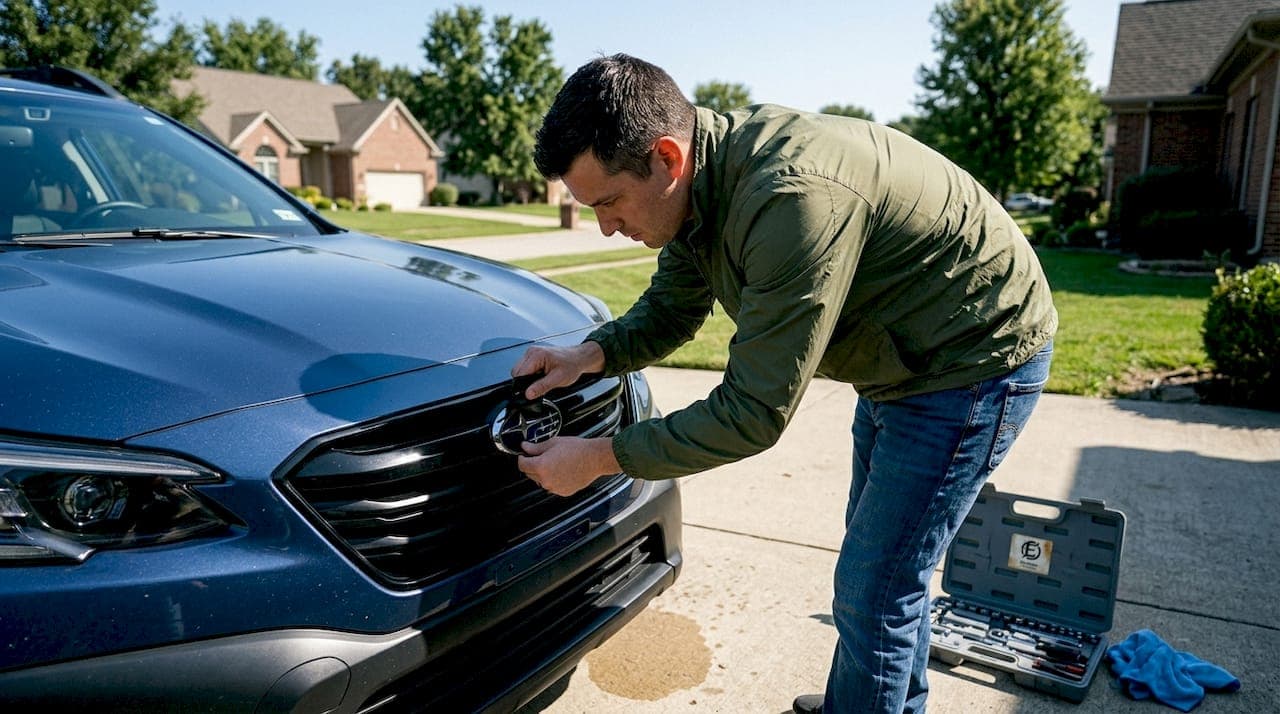
Most car enthusiasts worry about customizing their emblems only to watch them fade or crack within months. The truth is, high-quality emblem overlays actually protect your factory emblems while adding personalized designs that last five to ten years. Whether you drive a Subaru or Ford, all-weather emblem overlays combine durable vinyl technology with creative designs like state flags, carbon fiber patterns, and custom graphics. This guide explains how these overlays work, why they outlast alternatives, and how to install them for maximum longevity.
Table of Contents
- Key Takeaways
- What are all-weather emblem overlays?
- Durability and weather resistance explained
- Comparing emblem overlays with other customization options
- How to apply and care for all-weather emblem overlays
- Explore high-quality emblem overlays at Emblem Inlays
- Frequently asked questions
Key Takeaways
| Point | Details |
|---|---|
| Protects factory emblems | All weather overlays protect the original emblems from fading and cracking while letting you add a personalized design. |
| Long lasting durability | High grade cast vinyl with UV ink and gloss laminate delivers five to ten years of weather resistance without fading or peeling. |
| Design variety | Design options include state flags, carbon fiber textures, solid colors and custom graphics for Subaru and Ford emblems. |
| Easy installation | Air release adhesive and precision cut shapes help bubbles smooth out during application for a clean finish. |
What are all-weather emblem overlays?
All-weather emblem overlays are precision-cut vinyl decals applied over factory car emblems to customize appearance with designs like state flags, stars, or carbon fiber, popular for Subaru star cluster emblems and Ford ovals. These overlays serve dual purposes: they personalize your vehicle's look while protecting the original emblem from environmental damage. The vinyl material conforms perfectly to the contours of factory emblems, creating a seamless appearance that looks professionally integrated rather than added on.
The construction uses high-grade cast vinyl rather than cheaper calendered vinyl. Cast vinyl maintains dimensional stability, meaning it won't shrink or distort over time when exposed to temperature fluctuations. The adhesive layer features air-release technology, allowing installers to smooth out bubbles easily during application. UV ink printing ensures colors remain vibrant even after years of sun exposure, while a gloss UV laminate layer adds protection against scratches and chemical damage from road salt or car wash detergents.
Subaru and Ford owners gravitate toward specific design categories. State flag overlays represent regional pride, with Arizona, Colorado, Maryland, Texas, Utah, and Alaska being particularly popular choices. The Subaru star cluster emblem lends itself well to creative interpretations, from galaxy themes to patriotic red, white, and blue stars. Ford oval overlays range from subtle carbon fiber textures to bold flag designs that transform the iconic blue oval into a statement piece.
The base emblem types vary between manufacturers. Subaru uses a distinctive six-star constellation logo on front grilles, rear hatches, and steering wheels. Ford employs the classic oval shape across their vehicle lineup, from F-150 trucks to Mustang sports cars. Emblem overlays are precision-cut to match these specific shapes, ensuring perfect fitment without trimming or modification.
Typical overlay design options include:
- State and national flag patterns for regional or patriotic expression
- Carbon fiber textures in various weave patterns and colors
- Solid color overlays for monochromatic or contrasting looks
- Custom graphics including sports team logos or personal designs
- Metallic finishes simulating brushed aluminum or chrome
- Matte black or gloss finishes for subtle sophistication
Pro Tip: Choose designs that complement your vehicle's existing color scheme rather than clash with it. A Colorado flag overlay looks striking on a white Subaru Outback, while carbon fiber pairs well with darker vehicle colors.
Durability and weather resistance explained
The longevity of emblem overlays depends on material quality and environmental exposure. High-grade cast vinyl with air-release adhesive, UV ink printing, and gloss UV laminate provides weather resistance rated for 5-10 years of outdoor durability without fading, cracking, or peeling, and remains carwash safe throughout its lifespan. This durability stems from the molecular structure of cast vinyl, which is manufactured through a casting process rather than calendering, resulting in a thinner, more flexible material that conforms to curves without stress.
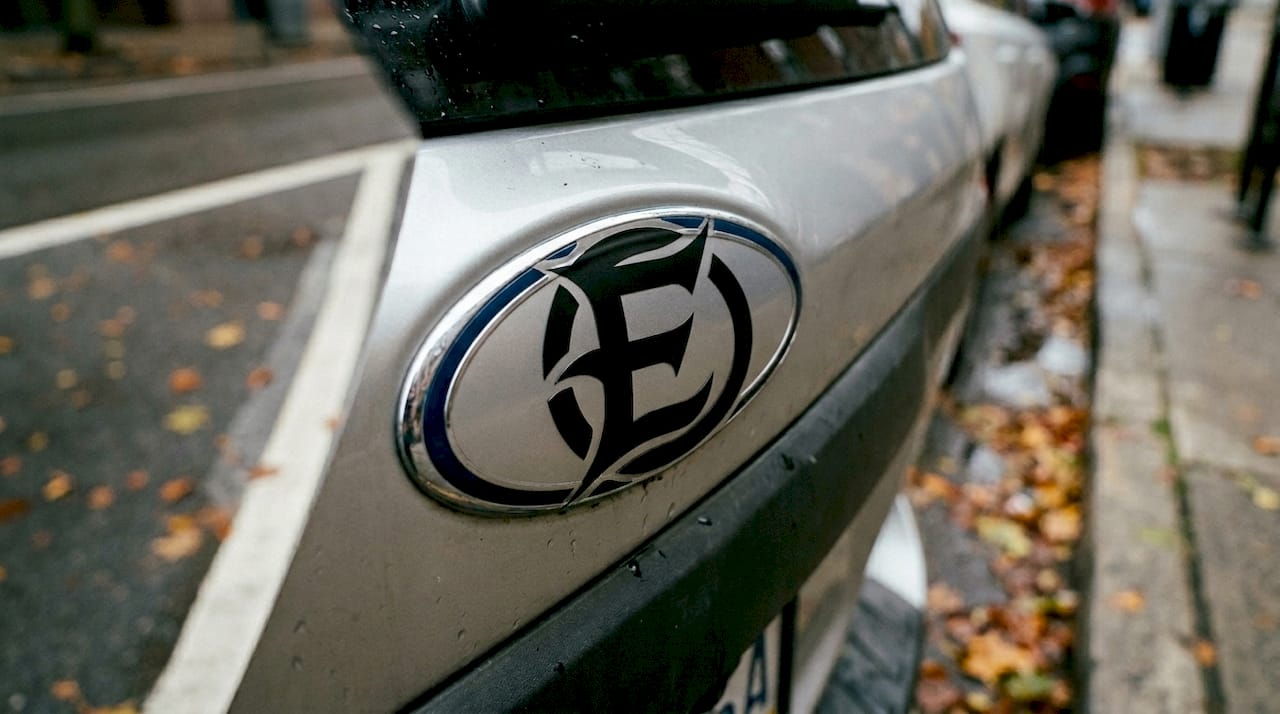
The adhesive technology plays an equally critical role. Pressure-sensitive adhesives bond at the molecular level when sufficient force is applied during installation. Air-release channels built into the adhesive layer allow trapped air to escape, preventing bubble formation that could compromise adhesion over time. Once cured for 24 hours, the bond becomes resistant to water infiltration, temperature cycling, and mechanical stress from vibrations.
UV ink printing uses pigments specifically formulated to resist photodegradation. Traditional inks fade when UV radiation breaks down their molecular bonds, but UV-resistant pigments incorporate stabilizers that absorb harmful radiation before it damages color molecules. The gloss UV laminate adds another protective layer, functioning as a sacrificial barrier that takes the brunt of environmental assault while preserving the printed design underneath.
| Overlay Type | Thickness | Expected Lifespan | Care Instructions |
|---|---|---|---|
| Carbon Fiber Vinyl | 3-4 mil | 5 years | Hand wash recommended, avoid abrasive cleaners |
| Gloss Vinyl | 2-3 mil | 7-10 years | Carwash safe, wax compatible |
| Matte Vinyl | 2-3 mil | 5-7 years | Hand wash only, no wax or polish |
| Metallic Vinyl | 3 mil | 6-8 years | Gentle carwash, avoid high-pressure spray |
Real-world performance data comes from user feedback across various climates. Users report easy installation, perfect fit, and good quality that lasts years with proper care, though long-term benchmarks remain limited as vendors typically warranty products for five or more years. Forum discussions frequently seek durability confirmation, with most responses indicating overlays remain intact through multiple winters and summers when properly installed.
Temperature extremes test adhesive bonds more than steady conditions. Overlays installed in Phoenix, Arizona face intense UV exposure and surface temperatures exceeding 160°F in summer. Conversely, overlays in Alaska endure temperatures below zero and thermal cycling between heated garages and frozen parking lots. Both environments produce successful outcomes when installation follows proper procedures.
Pro Tip: Wash your vehicle every two weeks during winter months to remove road salt, which can degrade adhesive bonds over time. Avoid high-pressure washers aimed directly at overlay edges, as concentrated water jets can lift corners and accelerate failure.
The relationship between care frequency and lifespan is direct. Overlays receiving regular gentle washing with pH-neutral soap maintain their appearance and adhesion longer than neglected ones. Harsh chemicals like bug removers or tar solvents should be kept away from overlay surfaces, as they can soften vinyl or weaken adhesive bonds. For detailed guidance, check out our article on overlay durability in 2026.
Comparing emblem overlays with other customization options
Emblem customization encompasses several methods, each with distinct advantages and limitations. Understanding how overlays stack up against alternatives helps you make informed decisions about personalizing your Subaru or Ford. The three primary methods are vinyl overlays, Plasti Dip coating, and OEM blackout emblems, each serving different aesthetic goals and protection levels.
| Method | Protection Level | Customization Ease | Longevity | Reversibility |
|---|---|---|---|---|
| Vinyl Overlays | High (protects original) | Moderate (precision required) | 5-10 years | Excellent (peel off cleanly) |
| Plasti Dip | Low (coats original) | High (spray application) | 1-3 years | Good (peels when thick enough) |
| OEM Blackouts | None (replaces original) | Low (requires emblem removal) | Permanent | Poor (new emblem needed) |
Vinyl overlays offer unique protection because they shield factory emblems from the primary cause of degradation: UV radiation. Overlays receive praise for customization and protection, while some prefer Plasti Dip or OEM blackouts, noting that OEM emblems can crack from thermal stress and UV exposure, problems overlays prevent. The original emblem remains untouched beneath the overlay, preserving resale value and allowing easy restoration to stock appearance.
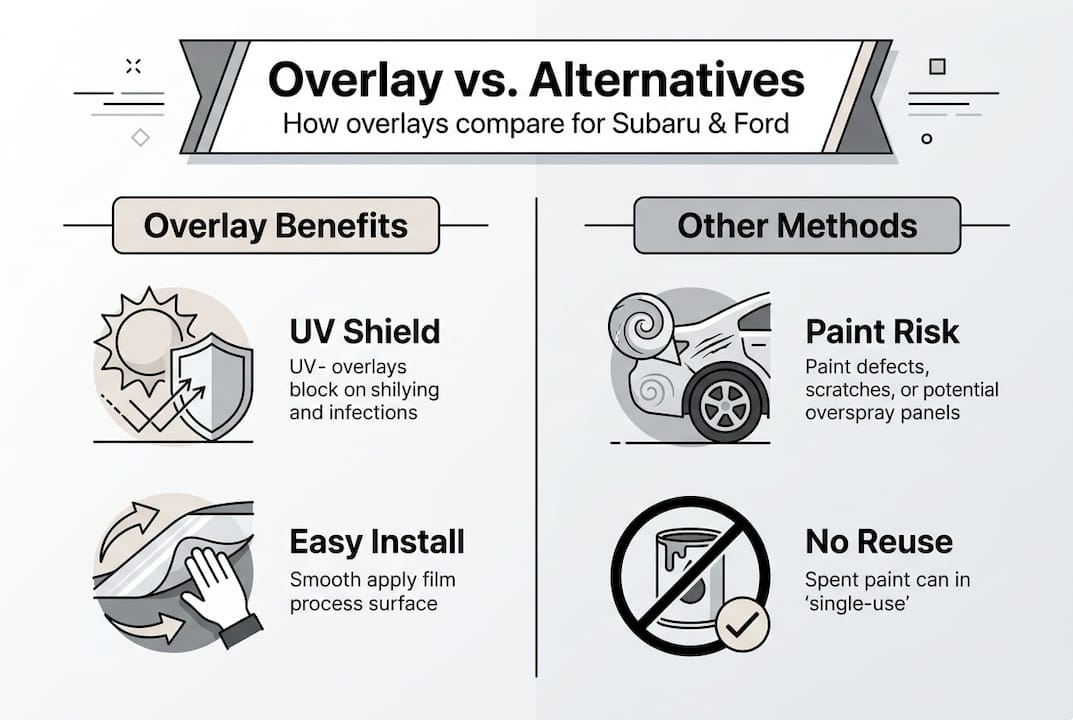
Plasti Dip provides versatility through spray application, allowing coverage of irregular surfaces and easy color changes. However, it offers minimal UV protection and requires reapplication every one to three years as the coating degrades. The rubberized texture differs noticeably from vinyl's smooth finish, and achieving uniform coverage without runs or thin spots demands practice. Removal involves peeling, which works cleanly when applied thickly but becomes tedious if the coating is too thin.
Benefits of vinyl overlays:
- Preserves factory emblem condition for resale value
- Precision-cut designs ensure perfect fitment
- Wide variety of graphics and patterns available
- Professional appearance without paint or permanent modification
- Protects against UV cracking and fading
Drawbacks of vinyl overlays:
- Requires careful installation for bubble-free results
- Initial cost higher than Plasti Dip
- Limited to flat or gently curved surfaces
- May show edge lifting if not properly maintained
OEM blackout emblems replace the factory piece entirely with a painted or powder-coated alternative. This method suits owners seeking permanent modification who don't plan to return to stock appearance. Installation requires emblem removal, which risks damaging mounting clips or paint. The aesthetic result is clean and integrated, but customization options are limited to what manufacturers offer as replacement parts.
User preferences vary based on commitment level and aesthetic goals. Enthusiasts planning long-term ownership often choose vinyl overlays for their balance of customization and protection. Those experimenting with looks or changing styles frequently prefer Plasti Dip's easy reversibility despite shorter lifespan. Owners pursuing aggressive modifications may opt for OEM replacements as part of comprehensive appearance packages.
Overlays uniquely combine aesthetic appeal with functional protection. While Plasti Dip changes appearance, it doesn't prevent the underlying emblem from UV damage. OEM replacements offer no protection advantage over stock emblems. Only vinyl overlays actively shield the original emblem while adding visual interest, making them the smart choice for automotive personalization that preserves vehicle value.
How to apply and care for all-weather emblem overlays
Proper installation determines whether your overlay lasts five years or five months. The process requires patience and attention to detail, but remains accessible for DIY enthusiasts with basic skills. Users report easy installation, perfect fit, and good quality lasting years with proper care, though vendors typically warranty products for five or more years, confirming that correct technique produces reliable results.
Pre-installation preparation matters more than the application itself. Surface contaminants like wax, oils, or dust prevent adhesive from bonding properly. The emblem surface must be chemically clean and completely dry before overlay contact. Temperature also affects adhesion, with ideal conditions between 60°F and 80°F allowing the adhesive to flow and bond effectively.
Step-by-step installation process:
- Clean the emblem thoroughly with isopropyl alcohol and a microfiber cloth, removing all wax, polish, and oils. Let the surface dry completely for at least 10 minutes.
- Test fit the overlay without removing the backing paper to confirm alignment and orientation. Note any registration marks or alignment guides.
- Peel back half of the backing paper, exposing the adhesive side while keeping the other half protected. This hinge method prevents premature contact.
- Position the exposed adhesive section onto the emblem, aligning carefully with edges and curves. Press gently to establish initial contact.
- Remove the remaining backing paper while smoothing the overlay forward with a squeegee or credit card, working from center to edges to eliminate air bubbles.
- Apply firm pressure across the entire overlay surface, paying special attention to edges and curves where lifting is most likely.
- Allow the installation to cure for 24 hours before washing or exposing to moisture, giving the adhesive time to reach full bond strength.
Pro Tip: Install overlays in a garage or shaded area rather than direct sunlight. Heat causes vinyl to become too pliable and adhesive to activate prematurely, making positioning difficult and increasing bubble risk.
Specialized techniques apply to Subaru star cluster emblems due to their intricate shape. Each star point requires careful smoothing to ensure the overlay conforms without bridging gaps. Ford oval emblems present different challenges, with their curved surface demanding gradual pressure application from center outward. Some installers use a heat gun on low setting to increase vinyl flexibility around compound curves, though this requires experience to avoid overheating.
Post-installation care extends overlay lifespan significantly. Avoid pressure washers aimed directly at overlay edges, as concentrated water jets can lift corners and initiate peeling. Hand washing with pH-neutral car soap and soft microfiber mitts provides the gentlest cleaning. Automated car washes are generally safe for high-quality overlays, but touchless systems are preferable to brush-style washes that may catch edges.
Regular inspection catches problems early. Check overlay edges monthly for any lifting or discoloration. Minor edge lifting can be resealed by cleaning the area, applying a small amount of adhesive promoter, and pressing the edge firmly. Significant lifting or damage warrants overlay replacement rather than repair attempts.
Warranty coverage varies by manufacturer but typically includes defects in materials or workmanship rather than damage from improper installation or care. Keep installation photos and purchase receipts to support warranty claims if needed. Most vendors replace defective overlays at no charge when contacted promptly.
For comprehensive guidance on surface preparation, read our detailed article on cleaning emblems before installation to ensure maximum adhesion and longevity.
Explore high-quality emblem overlays at Emblem Inlays
Now that you understand how all-weather emblem overlays protect and personalize your Subaru or Ford, it's time to explore premium options designed specifically for enthusiasts who demand quality. Emblem Inlays specializes in custom emblem overlays crafted from the same high-grade materials discussed throughout this guide, ensuring your investment delivers years of reliable performance and striking appearance.
Every overlay is handmade with precision cutting technology that guarantees perfect fitment for your specific vehicle model. The design catalog includes hundreds of options, from all 50 state flags to carbon fiber patterns, solid colors, and custom graphics. Whether you want to represent your home state with a Colorado flag overlay on your Subaru Crosstrek or add subtle sophistication with a matte black Ford oval, you'll find designs that match your vision.
The craftsmanship behind handmade emblem inlays ensures consistent quality across every order. Each overlay undergoes inspection before shipping to verify cut precision, color accuracy, and material integrity. The attention to detail extends to packaging, with overlays arriving protected and ready for installation with included application instructions.
Pro Tip: Browse the product pages to filter designs by vehicle make and emblem location, making it easy to find overlays that fit your Subaru's front grille, rear hatch, or steering wheel emblem, or your Ford's oval in multiple sizes.
Frequently asked questions
What states have emblem overlays available for Subaru?
All 50 state flags are available as emblem overlays for Subaru vehicles, with particularly popular options including Colorado, Arizona, Texas, Maryland, Utah, and Alaska. The overlays are precision-cut to fit Subaru's star cluster emblem on front grilles, rear hatches, and steering wheels across all models.
How long do all-weather emblem overlays typically last?
High-quality emblem overlays last between 5 and 10 years depending on material type and care practices. Gloss vinyl typically achieves the longest lifespan at 7-10 years, while carbon fiber and matte finishes average 5-7 years. Regular washing and avoiding harsh chemicals extends durability significantly.
Can overlays protect original emblems from cracking?
Yes, vinyl overlays shield factory emblems from UV radiation and thermal stress, the primary causes of emblem cracking and fading. The overlay acts as a sacrificial barrier, absorbing environmental damage while preserving the original emblem underneath in like-new condition. This protection maintains resale value and allows easy restoration to stock appearance.
Are emblem overlays safe to carwash?
Emblem overlays made from high-grade cast vinyl with proper lamination are carwash safe, including automated systems. Touchless car washes are preferable to brush-style washes, and high-pressure washers should not be aimed directly at overlay edges. Hand washing with pH-neutral soap provides the gentlest cleaning for maximum longevity.
Is installation DIY-friendly or should I seek professional help?
Installation is DIY-friendly for most enthusiasts with basic skills and patience. The process requires thorough surface cleaning, careful alignment, and bubble-free smoothing, all achievable with common tools like isopropyl alcohol, microfiber cloths, and a squeegee. For detailed preparation steps, consult our guide on cleaning emblems before installation. Professional installation is available but rarely necessary given the straightforward application process.