
TL;DR:
- Choosing a state flag overlay involves selecting between precut vinyl overlays and larger emblem skins, each offering different fit and flexibility. Proper installation and material quality are crucial for durability, with correct surface prep and environmental considerations extending lifespan. The most important factor for long-lasting, attractive results is careful application rather than the flag design itself.
Choosing a state flag overlay for your Subaru or Ford sounds simple until you realize how many options, materials, and installation approaches are out there. Not all overlays are created equal, and picking the wrong type can mean peeling edges, faded colors, or a badge that looks worse than stock after just one summer. This guide breaks down every major type of state flag overlay, compares them honestly, and gives you the installation and durability knowledge you need to get a result you'll actually be proud of every time you pull out of the driveway.
Table of Contents
- What are state flag overlays for vehicles?
- Main types of state flag overlays: Features and uses
- Comparing durability: What really lasts on your car
- Installation pitfalls and expert tips for flawless overlays
- Why overlay quality matters more than the flag you choose
- Get premium state flag overlays for your Subaru or Ford
- Frequently asked questions
Key Takeaways
| Point | Details |
|---|---|
| Overlay types matter | Choose between vinyl overlays and emblem skins based on your installation skills and badge shape. |
| Durability is key | Opt for overlays with quality vinyl and adhesives for best results on your vehicle. |
| Installation technique counts | Proper cleaning, temperature, and technique impact how long your overlay will last. |
| Custom fit beats universal | Emblem overlays designed for Subaru or Ford badges offer the cleanest look and easiest install. |
What are state flag overlays for vehicles?
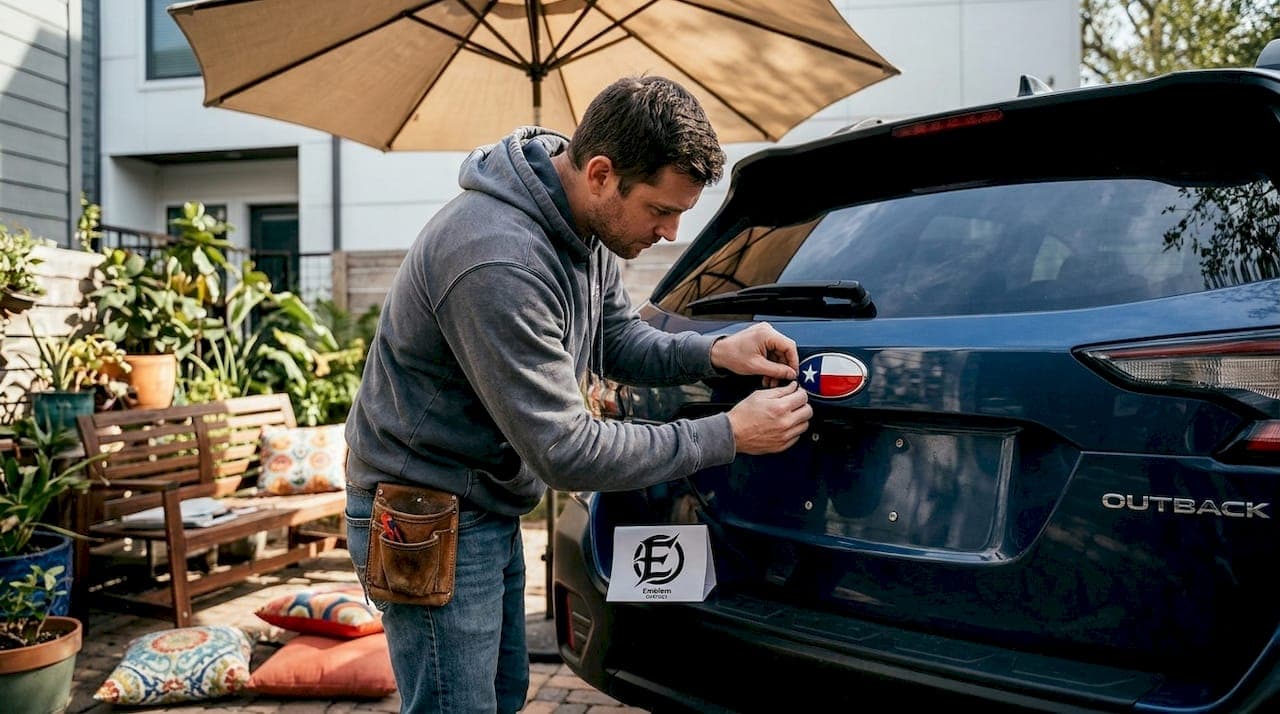
A state flag overlay is a decorative film or vinyl skin placed directly over your car's factory emblem to display your home state's colors and symbols. Think of it as a precision-fitted sticker designed specifically for the raised badge on your hood, trunk, steering wheel, or grille. The goal is to transform a plain OEM (original equipment manufacturer) badge into a personalized statement without drilling holes, painting, or making any permanent changes to your car.
There are two primary types you'll encounter when shopping:
- Vinyl emblem overlays: Precut pieces of vinyl film designed to match the exact shape and contours of specific Subaru and Ford badges. You peel and press them on, and they conform to the badge's curves.
- Emblem skins: Larger sheets of cast vinyl that you apply to the badge and then trim to shape. Common overlay types for vehicles include both vinyl emblem overlays applied over OEM badges and emblem skins made from precut cast-vinyl sheets that you apply and trim.
The key distinction is fit versus flexibility. Overlays give you a clean, factory-like finish right out of the package. Skins give you more flexibility if your badge has an unusual shape or you want to cover a larger area.
Pro Tip: If you're new to customizing your vehicle's badges, check out our Subaru and Ford overlay guide before you buy. Knowing your exact badge model saves you from ordering the wrong size.
The popularity of state flag overlays has grown steadily among drivers who want to express regional identity without repainting or replacing expensive factory parts. They work on the iconic Subaru star cluster badges, the classic Ford oval, and dozens of other emblem styles common across both brands. The result is a custom look that turns heads without voiding any warranties or raising concerns at the dealership.
Main types of state flag overlays: Features and uses
Now that you know why overlays are popular and what they refer to, let's break down the specific types you'll see on the market.
Vinyl emblem overlays are the most popular choice among Subaru and Ford owners for one simple reason: they're designed to fit your exact badge. Manufacturers precut these from printable vinyl, usually with a digital print of the state flag design on top and a pressure-sensitive adhesive underneath. You clean the badge, peel the backing, and align the overlay. It's a one-piece application that takes most people under 10 minutes.
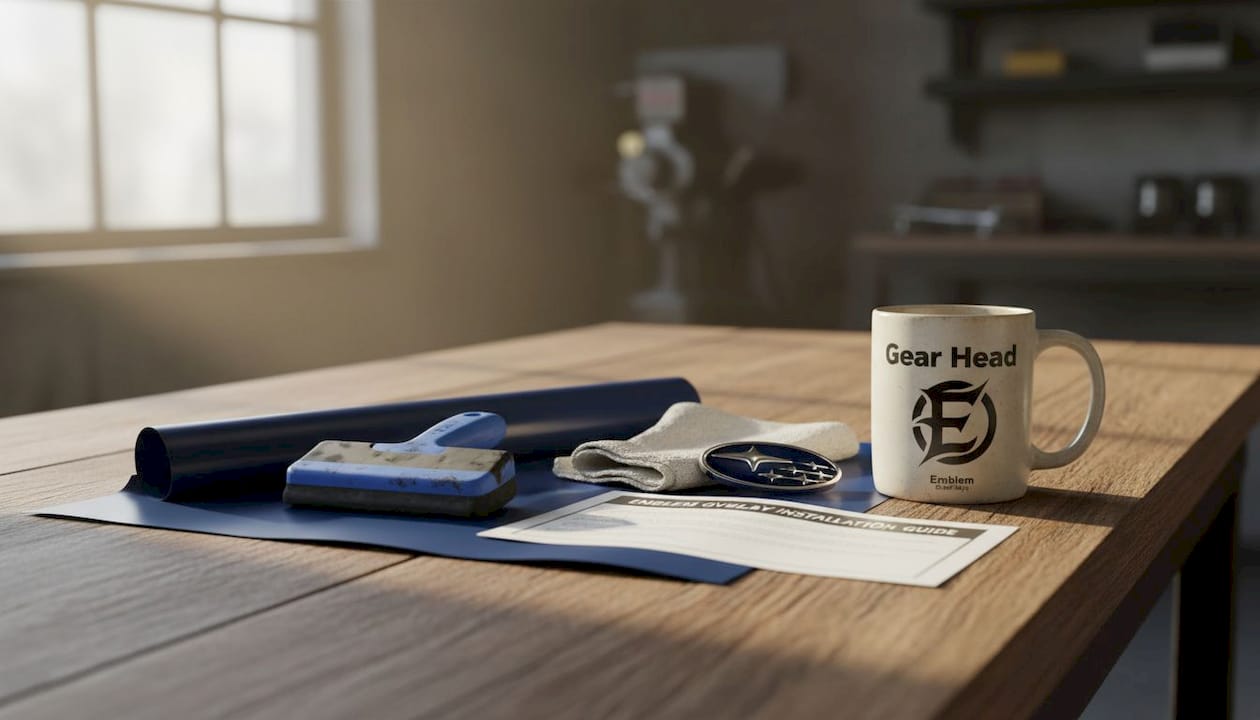
Emblem skins work differently. They come as larger sheets and require you to apply the sheet, use a squeegee to press it down, and then carefully trim the excess material along the badge's edges with a craft knife or razor blade. Vinyl overlays and emblem skins offer distinct application methods; quality skins use cast vinyl with 3M air-release technology that helps prevent air bubbles during installation.
Here's a quick feature comparison to help you decide which type fits your needs:
| Feature | Vinyl emblem overlay | Emblem skin |
|---|---|---|
| Fit precision | Exact fit for specific badges | Variable, requires trimming |
| Installation difficulty | Easy (beginner-friendly) | Moderate (trimming required) |
| Installation time | 5 to 15 minutes | 20 to 45 minutes |
| Design options | Hundreds of preprinted designs | Limited or custom prints |
| Best for | Most Subaru and Ford owners | Complex or unique badge shapes |
| Reversibility | Easy removal with heat | Moderate difficulty |
Most drivers, even experienced ones, prefer overlays for straightforward badges like the Ford oval or the Subaru pleiades cluster. Skins shine when you need to cover a badge shape that no precut overlay currently fits. Both types serve the same core goal: getting your state flag front and center on your vehicle's most recognizable feature.
A few things to look for when evaluating any overlay or skin:
- Cast vinyl vs. calendered vinyl: Cast vinyl holds its shape better over curved surfaces. Calendered vinyl is less expensive but more prone to shrinking over time.
- Air-release adhesive: This technology allows you to reposition the overlay during installation, reducing the chance of trapped bubbles.
- Print protection: A clear laminate layer over the printed design protects the flag colors from UV fading and scratching.
For step-by-step guidance on putting an overlay on, the vinyl overlay installation resource walks through every stage. If you want to see a full process from start to finish, the stepwise overlay process guide covers the entire workflow including tool selection and finishing touches.
Comparing durability: What really lasts on your car
With a clear sense of category types, it's time to assess which overlay best suits your car, your skills, and your priorities.
Durability is where most buyers get surprised, and not always pleasantly. You might choose an overlay for its design and then watch it fade, bubble, or peel within a year. Heat, UV light, road chemicals, and temperature cycling are the real enemies of vehicle overlays. Durability benchmarks for vehicle overlays focus on UV exposure, heat and cold cycling, and the installer's preparation steps rather than the design itself.
That last point is worth repeating because it surprises most people. The durability of your overlay depends more on how it's installed than what flag is printed on it. A perfectly installed budget overlay will outlast a premium overlay that was applied to a dirty, oily badge in 95-degree heat.
Here's how different overlay types tend to perform over time:
| Durability factor | Vinyl emblem overlay | Emblem skin (cast vinyl) |
|---|---|---|
| UV resistance | Good to excellent (with laminate) | Excellent |
| Heat tolerance | Good | Excellent |
| Cold flexibility | Good | Excellent |
| Edge lifting risk | Low (precut) | Moderate (cut edges) |
| Estimated lifespan | 3 to 5 years (with proper care) | 4 to 6 years |
"Proper installation conditions and production-quality film with lamination are the most underrated factors in overlay longevity. An overlay installed in the right conditions, on a properly prepped surface, can last years longer than the same product installed carelessly." This insight from the decal durability research applies directly to every state flag overlay you consider.
Follow these steps to maximize how long your overlay lasts:
- Clean the badge thoroughly before any application. Use isopropyl alcohol (at least 70%) to remove wax, polish, and road grime.
- Apply in a shaded area where the surface temperature is between 60 and 80 degrees Fahrenheit.
- Use a squeegee with a felt edge to press out air from the center outward.
- Seal the edges with a heat gun set to low, working quickly to bond the perimeter without overheating the vinyl.
- Avoid washing the car for at least 48 hours after installation to let the adhesive cure fully.
Pro Tip: Don't assume a higher price tag equals longer lifespan. Always ask whether the overlay uses cast or calendered vinyl, and whether a UV-protective laminate is included. These two factors matter far more than brand name alone.
For ongoing care, our overlay maintenance tips cover washing techniques, wax compatibility, and when to consider reapplication. And if you want to make sure your badge is truly ready before installation, read about cleaning emblems before overlays for the full surface prep workflow.
Installation pitfalls and expert tips for flawless overlays
Finally, let's recap how to use this information for a smart purchase and showcase your state flag proudly on your Subaru or Ford.
Even the best overlay can fail if you rush the installation. The most common mistakes drivers make aren't about skill. They're about skipping steps that seem unimportant until something goes wrong two months later.
The three biggest installation mistakes are:
- Rushing the surface prep. Any oil, wax, or moisture between the badge and the overlay creates a weak bond. Even fingerprints from handling the badge before installation can cause lifting. Always wipe down with isopropyl alcohol and let it fully evaporate before peeling the backing off the overlay.
- Installing in direct sunlight. Installing in direct sun causes premature adhesion, shortens your working time, and significantly increases the risk of bubbles and misalignment. Professionals consistently recommend avoiding both hot and cold extreme temperatures during application.
- Skipping the squeegee pass. Pressing the overlay on with your fingers leaves air pockets. A hard squeegee with a felt tip allows you to apply firm, even pressure from the center outward, which forces air out before it gets trapped.
"Temperature and contamination control aren't optional steps. They're the foundation of a lasting installation. Getting these two variables right before you even touch the overlay is what separates a badge that looks great for five years from one that starts peeling at the edges by winter."
Here's what professional installers recommend for timing and prep:
- Work in the morning or evening when temperatures are cooler and sun angles are lower.
- Check that your badge surface temperature is under 80 degrees Fahrenheit. Use an infrared thermometer if you have one.
- Keep the overlay in its packaging until the moment you're ready to apply it. Heat and humidity in your garage can soften the adhesive before installation.
- After application, press the overlay firmly again with your squeegee, paying extra attention to corners and curves where lifting is most likely to start.
Pro Tip: A heat gun set to its lowest setting is useful for pressing down lifted edges after installation. Apply it for no more than 2 to 3 seconds in any one spot and immediately press the edge down with a felt squeegee or your thumb. Never use a heat gun on a badge that's already hot from sitting in the sun.
For a thorough walkthrough of the prep process, our emblem prep steps guide covers everything from tools you'll need to the exact wipe-down technique. If you're thinking about adding overlays to your grille badge as well, the grill overlay guide covers the unique challenges that front-of-vehicle badges present.
Why overlay quality matters more than the flag you choose
Here's an opinion most overlay sellers won't share with you: the state flag design you pick matters far less than the quality and installation of the overlay itself. After years of helping Subaru and Ford owners customize their vehicles, the pattern is clear. Buyers who regret their overlays almost always bought based on price or novelty. Buyers who love their overlays bought based on material quality and followed the installation steps carefully.
A Texas flag overlay that's installed on a clean badge, in the right temperature, with a proper squeegee technique will look sharp for years. The same design installed in a rush on a waxy badge will peel at the corners before the first winter is over. The flag is just the artwork. The vinyl, the adhesive, and your technique are what actually keep that artwork on your car.
There's also a real difference between overlays made for specific vehicle badges and generic "universal" skins. A precut overlay designed for your Subaru Forester's hood badge or your Ford F-150's tailgate badge fits without trimming and conforms to raised edges without extra effort. Generic skins require more skill and more time to look right, and the cut edges are always more vulnerable to lifting than a factory-precut edge.
If you want serious style that actually lasts, take your time with material selection. Look for custom Subaru and Ford overlays designed for your specific badge, confirm the vinyl type and laminate, and follow the installation steps without shortcuts. That combination beats any flashy design installed carelessly every single time.
Get premium state flag overlays for your Subaru or Ford
Ready to put your state pride on display? The right overlay makes all the difference between a badge that turns heads at the tailgate and one that you're embarrassed to show off by next summer.
At Emblem Inlays, we make handmade vinyl emblem overlays precision-cut for Subaru and Ford badges, with hundreds of state flag designs to choose from. Every overlay uses premium vinyl and advanced adhesive technology for a durable, clean fit that holds up through car washes, sun, and road use. Browse our full range and read our step-by-step install guides at our site, or explore our resource on enhancing your vehicle's aesthetics to see how the right overlay transforms your badge from stock to standout.
Frequently asked questions
Which type of state flag overlay is easiest for DIY installation?
Precut vinyl emblem overlays are the easiest option for DIY installation because they fit your specific badge shape with no trimming required. Overlay types include both precut overlays and emblem skins, but skins require extra trimming steps that make them less beginner-friendly.
How long do state flag overlays last on a car?
With quality materials and proper installation, most overlays last 3 to 5 years or longer, but poor surface prep and extreme weather will shorten that significantly. Durability factors like UV exposure and correct installation conditions matter more than the overlay brand or flag design.
Can state flag overlays be safely removed without damaging the emblem?
Yes, most vinyl overlays peel off cleanly with gentle heat from a heat gun or hair dryer, leaving the factory badge intact and residue-free. Following proper removal steps ensures you won't scratch or damage the badge if you ever want to change designs.
Is there a state flag overlay that works for all Subaru and Ford models?
Universal emblem skins exist, but overlays designed for your specific Subaru or Ford badge model give you the best fit, cleanest look, and most durable result. A model-specific overlay eliminates the trimming step and reduces the chance of edge lifting.
What's the main difference between a decal and an emblem skin?
A decal is typically a badge-shaped, one-piece piece of vinyl designed to fit a specific emblem, while an emblem skin is a larger sheet that you apply and trim yourself. Common overlay types describe skins as precut cast-vinyl sheets applied and trimmed to shape, making them more flexible but more labor-intensive than standard decals.