
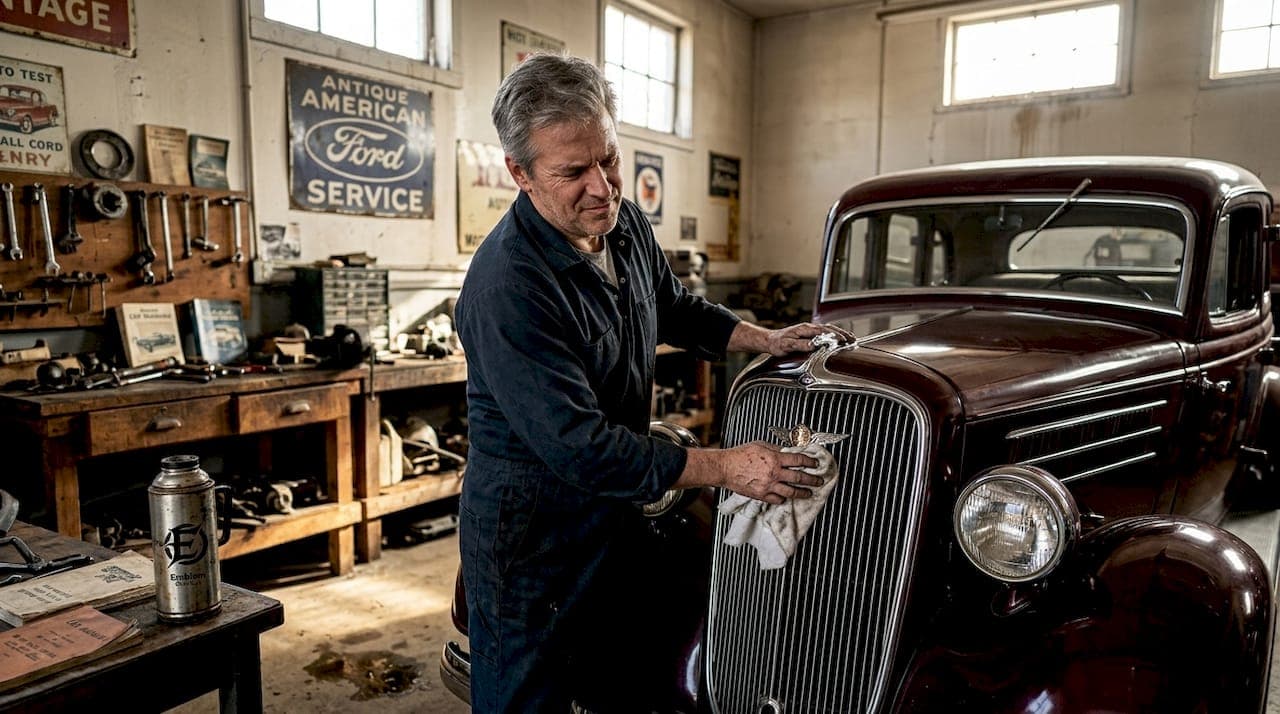
Car emblems were once ornate heraldic badges reserved for the wealthy, but today they're one of the most personal statements you can make on your vehicle. Many Subaru and Ford enthusiasts don't realize that the emblem sitting on their hood or trunk has a layered history stretching back over a century. That history directly shapes the customization options available right now. In this article, you'll learn how emblems evolved from aristocratic symbols to modern design icons, how Ford and Subaru specifically shaped that journey, and how you can use that knowledge to personalize your ride in a way that actually means something.
Table of Contents
- The origins and evolution of car emblems
- Ford and Subaru: How iconic emblems evolved
- Customization options: Transforming emblems for personal identity
- Considerations and cautions: Resale and manufacturer issues
- Why most enthusiasts underestimate the value of emblem history
- Upgrade your Subaru or Ford: Find your perfect custom emblem overlay
- Frequently asked questions
Key Takeaways
| Point | Details |
|---|---|
| Emblem design evolution | Car emblems moved from ornate badges to sleek, minimal designs reflecting digital trends. |
| Ford and Subaru milestones | Iconic emblems for Ford and Subaru have shifted styles over time, inspiring new customization options. |
| Personalization benefits | Custom emblems let owners express personality and car identity, increasing satisfaction. |
| Customization cautions | Remember that resale value and warranty can be affected by factory emblem changes. |
| Actionable upgrade | Quality overlays and custom options are available to make your Subaru or Ford stand out. |
The origins and evolution of car emblems
Building on that introduction, let's explore where car emblems originated and how they've transformed over the decades.
The earliest automobile manufacturers borrowed heavily from European heraldry. Shields, crests, and family coat-of-arms imagery were plastered onto radiator caps and hood ornaments to signal prestige. Owning a car in the early 1900s was a luxury, and the emblem was meant to reinforce that. These ornate heraldic designs weren't just decorative. They were status markers, the same way a monogrammed suit or a gold pocket watch communicated wealth and taste.
The 1920s and 1930s brought the Art Deco movement, and car design followed. Emblems became sleeker, more geometric, and more aerodynamic in feel. Chrome finishes, angular shapes, and bold lettering replaced the fussy crests of earlier decades. This was the era when brand identity started to matter more than family heritage.
Then came the modern minimalism wave. Digital screens, app icons, and scalable vector graphics forced automakers to simplify. A crest that looks stunning on a hood can look like a blurry mess as a favicon. That pressure pushed brands toward clean lines and flat design.
Here's a quick timeline of key emblem design shifts:
| Era | Design style | Key driver |
|---|---|---|
| Early 1900s | Heraldic crests | Luxury signaling |
| 1920s to 1930s | Art Deco streamlining | Modernism and speed |
| 1950s to 1970s | Chrome and color | Post-war optimism |
| 1990s to 2000s | 3D gradients | Digital printing advances |
| 2010s to present | Flat minimalism | Digital compatibility |
Some standout milestones in emblem history include:
- 1900s: Rolls-Royce and Bugatti introduce crest-based badges
- 1927: Ford standardizes the Blue Oval for the Model A
- 1953: Subaru adopts the Pleiades star cluster as its core symbol
- 2021: Ford flattens the Blue Oval for digital use
"Emblems evolved from ornate symbols to minimalist designs, reflecting both cultural shifts and the demands of new media."
If you want to see how this history translates into actual artwork on modern vehicles, car emblem art for Subaru and Ford owners shows exactly how deep that creative tradition runs.
Ford and Subaru: How iconic emblems evolved
With a broad understanding of emblem history, we turn to Ford and Subaru, whose emblem journeys set the tone for today's personalization options.
Ford's emblem story is one of the most documented in automotive history. Henry Ford's signature script appeared on early vehicles, but it was the Blue Oval debut in 1927 that became the brand's defining visual. That oval shape, combined with the Ford script, created instant recognition. Over the decades, Ford refined the oval's proportions, adjusted the blue shade, and added chrome effects. By 2021, the company flattened the design entirely for digital screens.
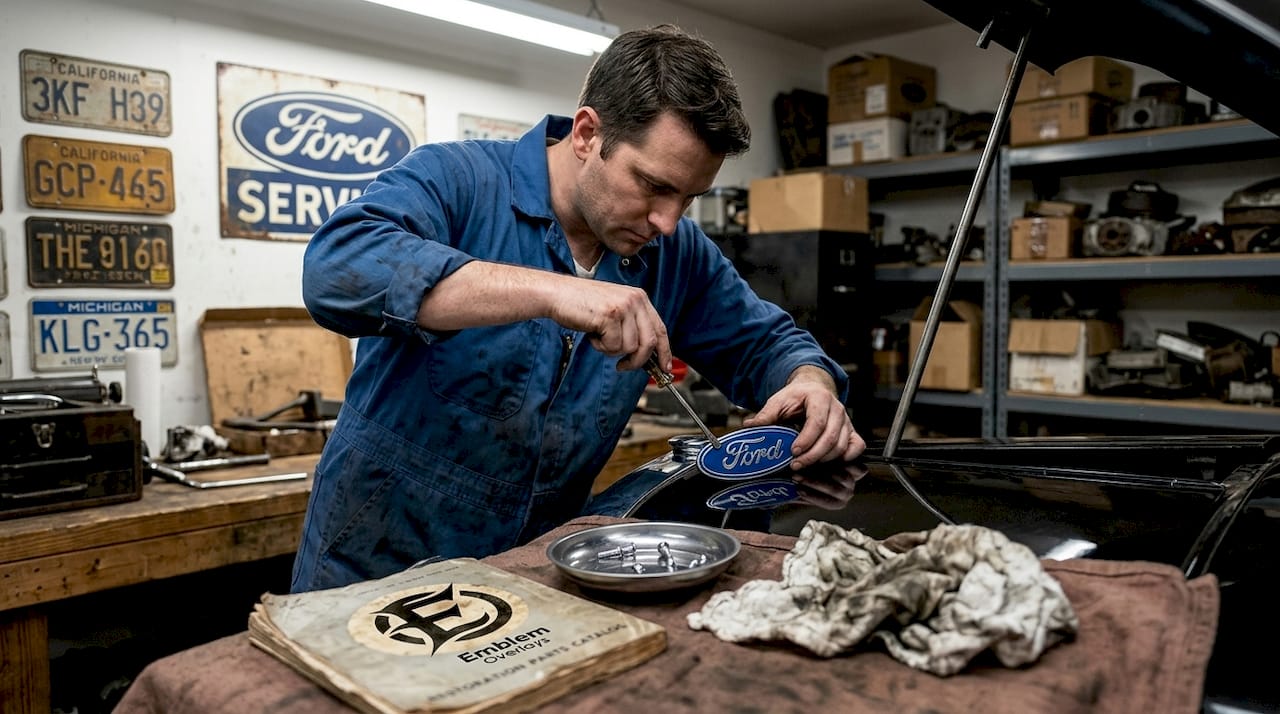
Subaru's path was different. The six-star Pleiades cluster represents the Japanese word "Subaru," which literally means to gather or unite. The stars also reflect the merger of five companies that formed Fuji Heavy Industries. Over time, Subaru shifted from a simple star arrangement to a more polished, three-dimensional badge with metallic finishes. Today, Subaru customization trends include color-matched overlays, gloss black finishes, and even LED-illuminated versions.
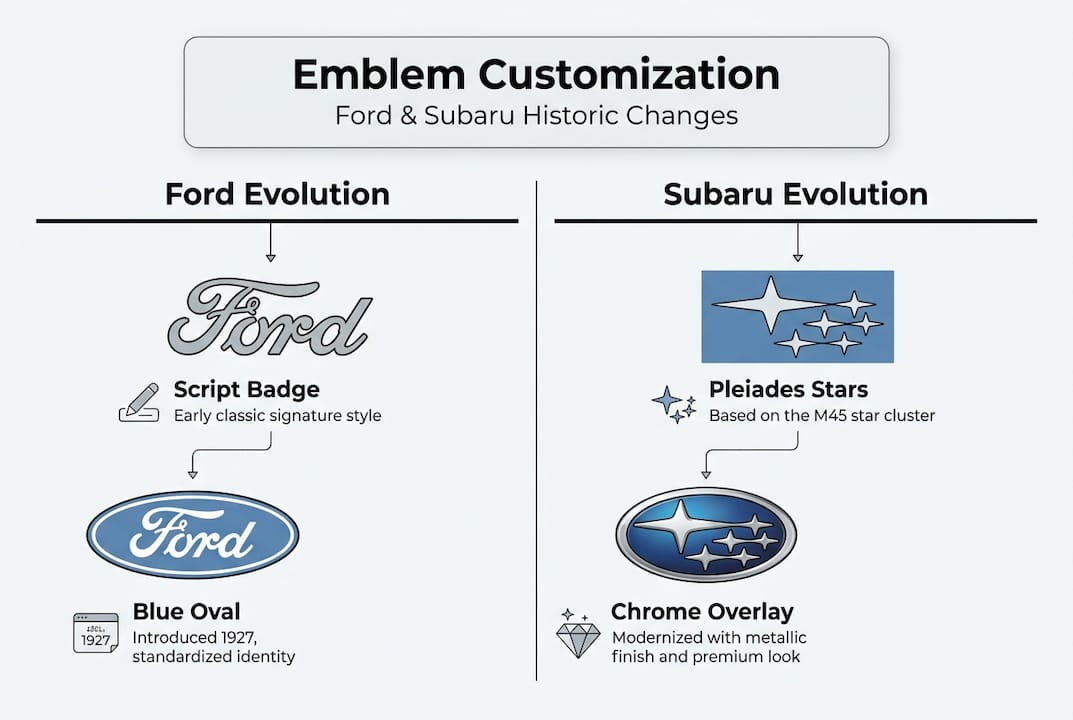
Here's how the two brands compare on key emblem dimensions:
| Feature | Ford | Subaru |
|---|---|---|
| Core symbol | Blue Oval with script | Six-star Pleiades cluster |
| Material evolution | Chrome to flat digital | Metal to LED options |
| Customization popularity | Blackout, carbon fiber | Color-matched, gloss, LED |
| Brand meaning | American heritage | Unity and Japanese roots |
Four reasons why these histories matter for customization today:
- Knowing the original design intent helps you choose overlays that complement rather than clash
- Ford's flat 2021 redesign makes matte overlays look intentional and modern
- Subaru's star cluster shape works beautifully with precision-cut vinyl designs
- Both brands have loyal communities that respond strongly to well-executed custom looks
Over 60% of car enthusiasts say visual personalization is their top vehicle modification priority, which explains why custom emblem overlays have grown into one of the most accessible upgrade categories. If you're just starting out, the emblem overlays guide covers everything from material selection to installation.
Customization options: Transforming emblems for personal identity
Armed with knowledge of emblem roots, let's look at the options that empower you to express your personality through your vehicle.
The most popular customization methods for Subaru and Ford owners fall into a few clear categories. Vinyl overlays are the most accessible. They sit directly over the factory emblem, require no drilling or permanent changes, and can be swapped out if your taste changes. LED badge upgrades are a step up in complexity but deliver serious visual impact, especially at night. Full emblem removal and replacement is the most permanent route, where the factory badge comes off entirely and a custom piece goes in its place.
Why do enthusiasts choose custom emblems in the first place? The Subaru customization process points to a few consistent motivations: standing out in a sea of identical vehicles, honoring a home state or personal interest, and creating a cohesive look that matches other exterior modifications.
Popular overlay styles include:
- Blackout overlays: Replace chrome or color with flat or matte black for a stealth look
- Carbon fiber texture: Adds a performance aesthetic without the cost of real carbon parts
- State flag designs: A personal touch that connects your vehicle to your roots
- Color-matched finishes: Tie the emblem into the rest of your exterior color scheme
- Gloss or satin finishes: Subtle upgrades that elevate the factory look without going extreme
"The best customization decisions come from understanding what the original emblem represents, then building on that foundation rather than erasing it."
Pro Tip: Before ordering an overlay, photograph your emblem in direct sunlight and shade. This helps you see the exact finish and any surface imperfections that might affect how the overlay sits.
For Subaru owners looking for step-by-step guidance, Subaru personalization tips walk through the full decision process. If you want to understand the installation itself, the emblem overlay process covers each step clearly. Ford owners can find brand-specific help through the Ford emblem tutorial.
Considerations and cautions: Resale and manufacturer issues
Customization is exciting, but before you go all in, it's essential to consider the practical implications for your vehicle.
Manufacturer warranties are the first thing to think about. Most factory warranties cover defects in materials and workmanship. If an emblem modification causes paint damage or electrical issues (in the case of LED installs), that repair may not be covered. The key is knowing where the line sits between cosmetic and structural changes.
Resale value is the second consideration. Official emblems prioritize heritage, and many buyers expect to see factory-original badges when purchasing a used vehicle. A heavily modified exterior, including custom emblems, can signal to buyers that other modifications may exist, which sometimes lowers perceived value. That said, a clean, well-executed overlay that's easily removable rarely causes issues.
Here's a smart approach to customizing without creating problems:
- Choose overlays that sit over the factory emblem rather than replacing it entirely
- Keep the original emblem intact underneath so removal is simple before a sale
- Document your modifications with photos to show buyers the factory badge is undamaged
- Avoid permanent adhesives on painted surfaces near the emblem area
- Check your specific model year's warranty documentation before any LED or electrical mod
"The smartest enthusiasts treat customization as reversible by default. That mindset protects both the vehicle and its future value."
Pro Tip: If you're planning to sell within two years, stick with vinyl overlays. They peel off cleanly and leave the factory badge looking untouched, which keeps your resale options open.
Understanding factory emblem considerations helps you make decisions that protect your investment. And if you want to think through the bigger picture of what your emblem says about you, personalization and identity is worth a read before you commit.
Why most enthusiasts underestimate the value of emblem history
Now that you understand the practical and historical aspects, let's step back for a deeper look at why emblem history matters in the world of customization.
Most people treat emblem customization as a purely aesthetic decision. Pick a finish, slap it on, done. But that approach misses something important. When you understand that Ford's Blue Oval represents over 100 years of American manufacturing identity, or that Subaru's six stars literally encode the story of a corporate merger, your customization choices carry more weight.
We've seen this firsthand. Enthusiasts who know their emblem's backstory tend to make more intentional choices. They pick designs that build on the original meaning rather than just covering it up. A state flag overlay on a Subaru Outback, for example, isn't just decoration. It layers personal geography onto a symbol that already represents unity and gathering.
The balance between personalization and heritage is where the most satisfying customizations live. And here's the counterintuitive part: well-informed customization can actually increase owner satisfaction and perceived vehicle value, because it tells a coherent story. Understanding why automotive personalization matters in 2026 makes that case clearly.
Don't just customize. Customize with context.
Upgrade your Subaru or Ford: Find your perfect custom emblem overlay
Ready to make your mark? Here's where to find reliable, stylish emblem overlays for your Subaru or Ford.
We design vinyl emblem overlays that fit directly over your factory badge, no drilling, no permanent changes. With hundreds of designs available, including every state flag, you can find something that genuinely reflects who you are.
Whether you want a clean blackout look, a bold state flag, or something in between, emblem overlays for Subaru and Ford are ready to ship. If you want to see what's possible with premium materials and precision-cut designs, browse our full collection of handmade emblem inlays and find the upgrade that fits your style and your story.
Frequently asked questions
How did car emblems originate?
Car emblems began as heraldic badges in the early 1900s, used to signal luxury and brand prestige on the first automobiles sold to wealthy buyers.
What are the most popular custom Subaru emblem options?
Blackout, carbon fiber, and LED overlays lead the list, but color-matched and glowing styles are also widely requested among Subaru enthusiasts.
Will customizing my car emblem affect warranty or resale?
Altered emblems can create warranty and resale complications, so using reversible overlays and reviewing your manufacturer guidelines first is the safest approach.
What year did Ford introduce the Blue Oval emblem?
Ford introduced the Blue Oval in 1927 alongside the Model A, making it one of the longest-running brand symbols in automotive history.
What's the best way to remove a factory emblem?
Using a heat gun and adhesive remover carefully is the safest method, minimizing the risk of paint damage or surface scratches during removal.